STROLL
From place d'Iéna to bois de Boulogne
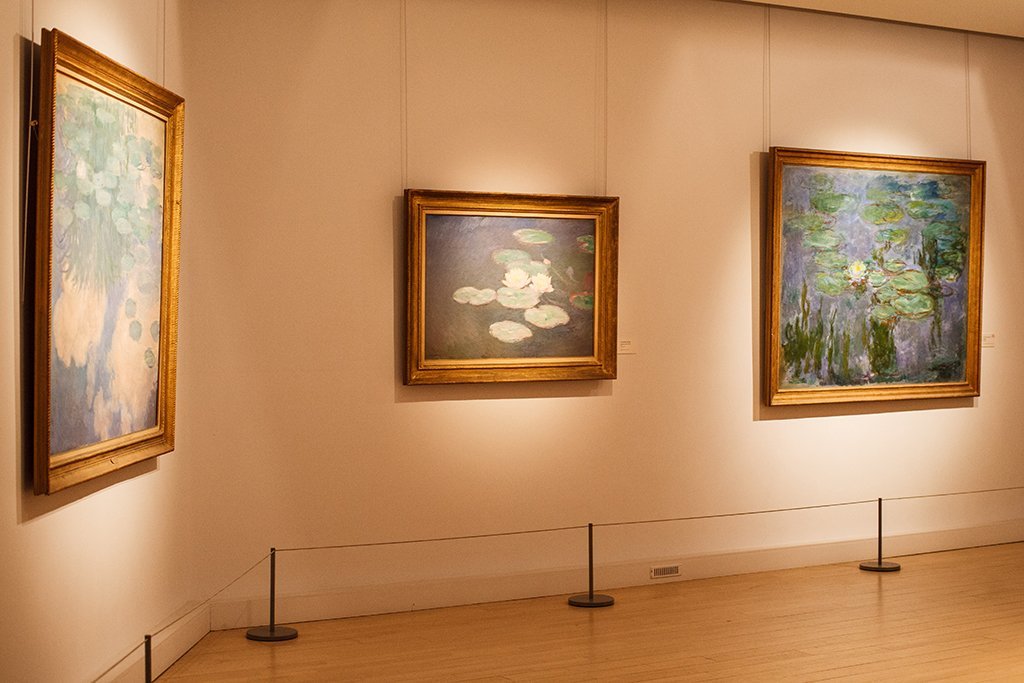
The walk begins at Place d'Iéna, which is home to five museums within a 1km radius: the Guimet Museum, the Palais de Tokyo, the Musée d'Art Moderne de Paris, the Palais Galliera, and the Yves Saint-Laurent Museum. A great way to organize a cultural day!
Take advantage of a visit to discover the neighborhood dotted with charming restaurants; it's also home to the jazz club Le Speakeazy.
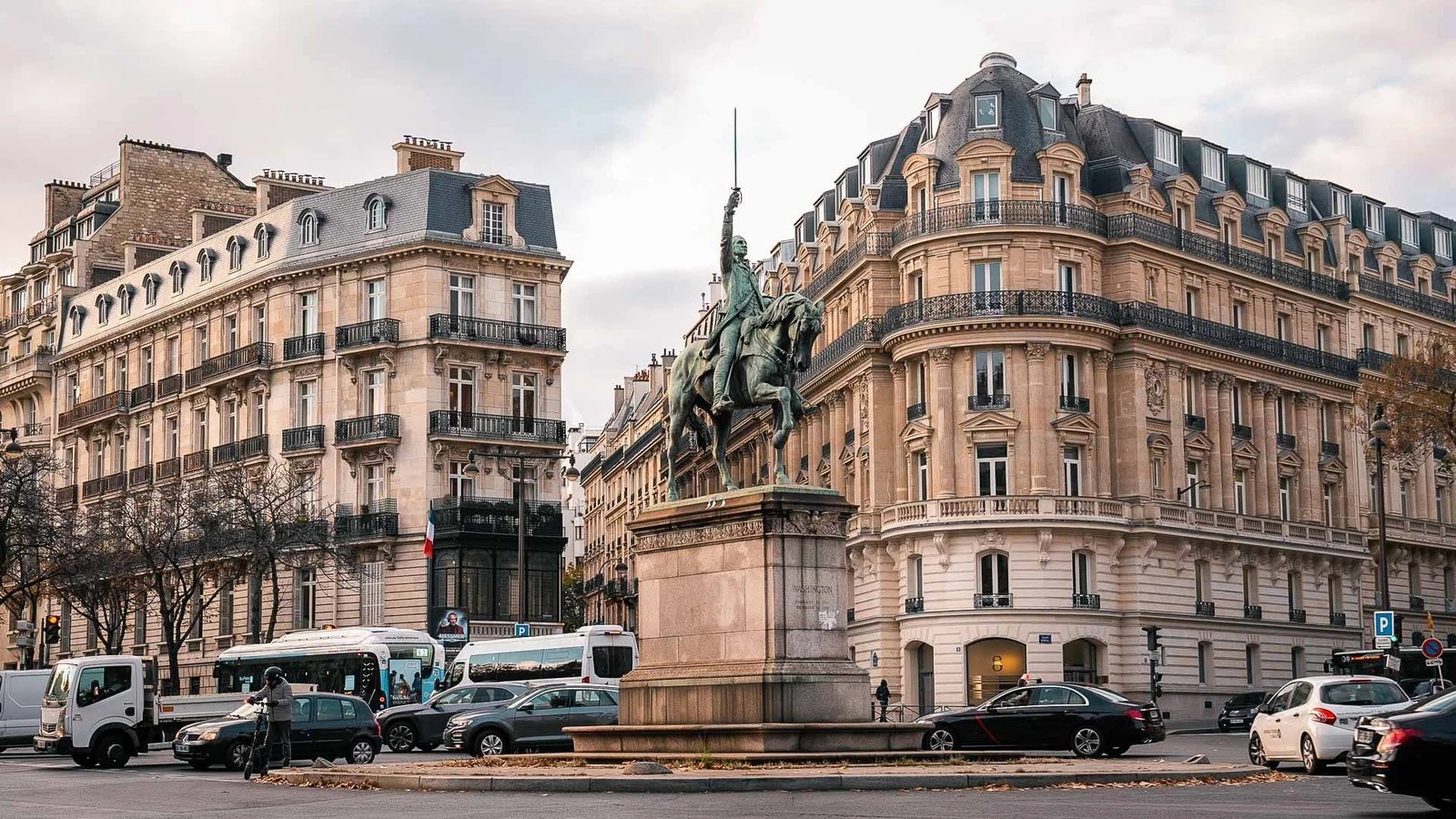
A few meters away, you'll discover the pretty Jefferson Square, whose gates, inspired by those of New York's Battery Park, and the benches and lampposts straight from the United States lend an American feel. It's worth noting that many Americans have lived in the neighborhood, such as Edith Warton, and still do. Crossing the square, you'll arrive at the Baccarat Museum, which opens its gardens every summer for lunches, afternoon tea, and sunny after-work drinks. Take Rue Lapérouse to the legendary Hôtel Raphaël, which also opens its rooftop every summer. You can lounge there during the day, but the best part is dining on this terrace, which offers a magical view of Paris at nightfall.
Rue Lauriston is just a few steps away. This is where the Passy Reservoir is hidden, one of Paris's main water storage facilities, a peaceful haven with 13,000 square meters of open-air pools, which will soon feature an underwater wine cellar where you can dive and enjoy a drink in an underwater restaurant!
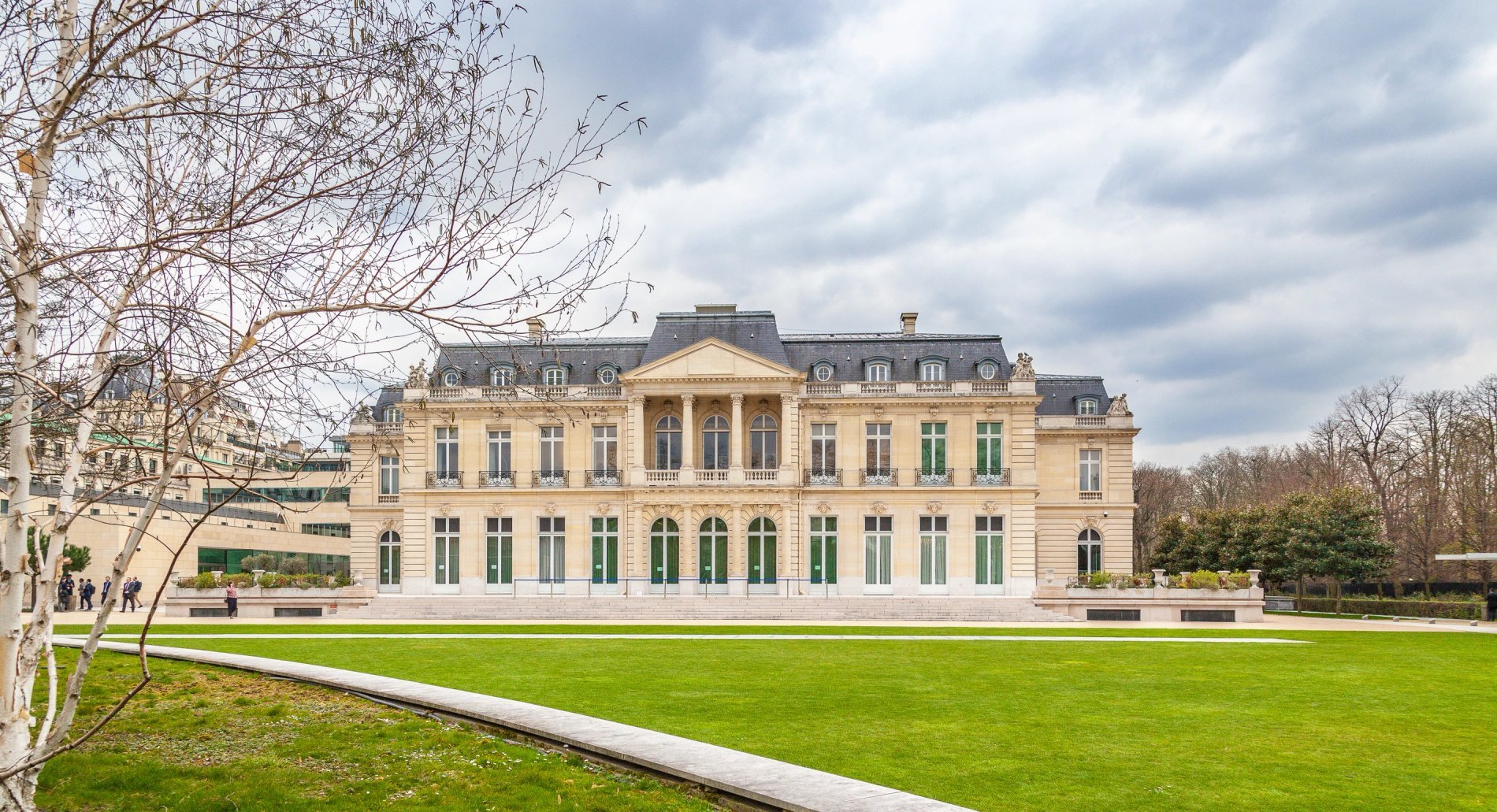
While waiting for the project to come to fruition (in 2021), head to Place Victor Hugo, a strategic roundabout leading to the Étoile, Rue de la Pompe, or Avenue Foch. You can head towards the latter via Avenue Bugeaud, from where you can see the magnificent Château-Hotel Le Saint-James. Sung about by Maurice Chevalier, Avenue Foch seems very quiet but boasts a very lively underground life, with bowling alleys, billiards, and nightclubs populated by students!
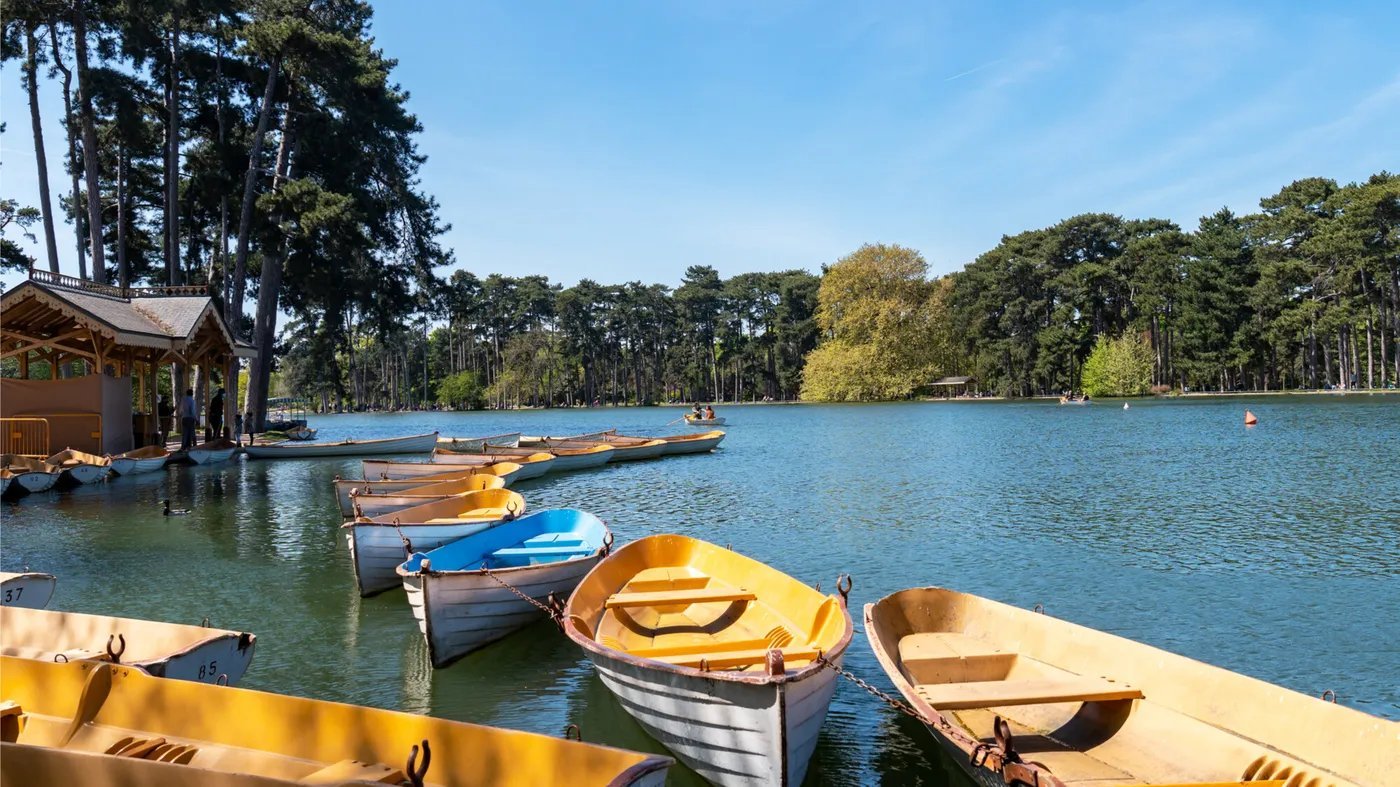
Other special features: its wide, unpaved bridleways, unique in Paris, which once allowed riders to reach the Bois de Boulogne on horseback, and at the edge of the Bois, the Porte Dauphine metro station, whose entrance hall by Hector Guimard, nicknamed "The Dragonfly," caused a scandal in 1900, with its glass canopy in the shape of wings, its cast iron structure resembling legs, its "Métropolitain" inscription in lava stone, and its pointed lights in the staircase, called "Joséphine's nipples." Today, people come from all over the world to admire this avant-garde work, which continues to make an impact!