The activities
Bois de Boulogne, route de la Porte Dauphine à la Porte des Sablons, 75116 Paris
The Jardin d’Acclimatation is a family-friendly destination combining green spaces, rides, and playful activities. With tree-lined paths, playgrounds, and its charming amusement park, it delights children and adults alike looking for a different kind of outing. Its lively and cheerful atmosphere makes it a refreshing escape within the city.
2 rue Cauchy, 75015 Paris
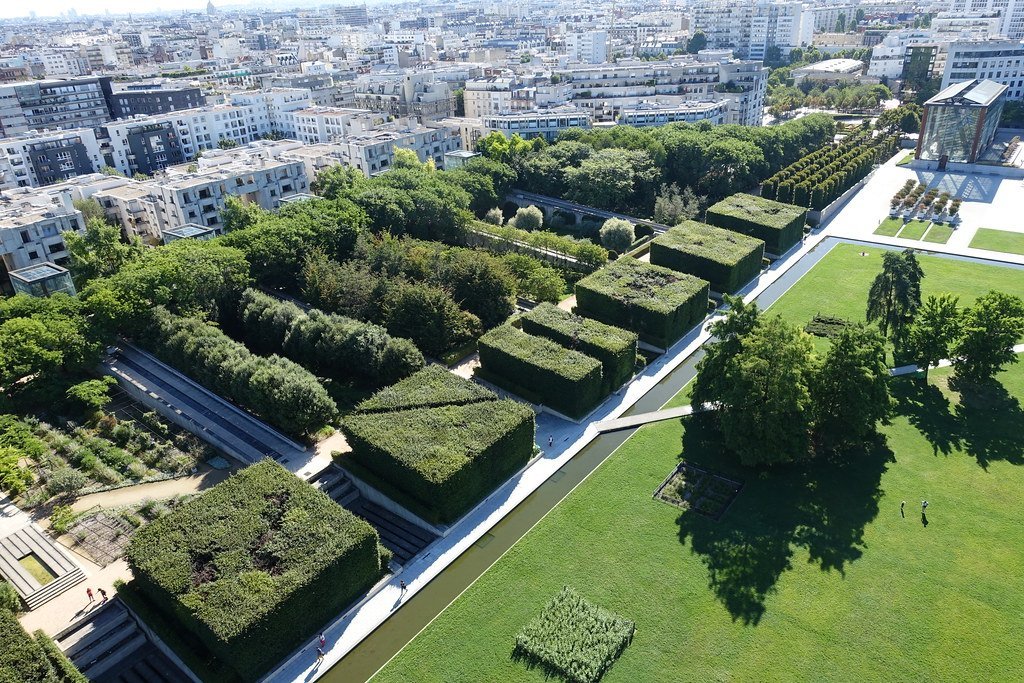
Just a short walk away, Parc André Citroën offers a modern and spacious green setting, perfect for a peaceful break. With its wide lawns, themed gardens, water features, and even a tethered hot-air balloon for unique views over Paris, it’s a great spot to relax, stroll, or simply enjoy some fresh air.
170 quai de Stalingrad, 92130 Issy-les-Moulineaux
Parc de l’Île Saint-Germain is a large green space along the Seine, known for its peaceful walks and riverside views. It features themed gardens, playgrounds for children, and the striking “Tour aux Figures” by Jean Dubuffet, a monumental artwork that immediately catches the eye.
2 rue Louis Boilly, 75016 Paris
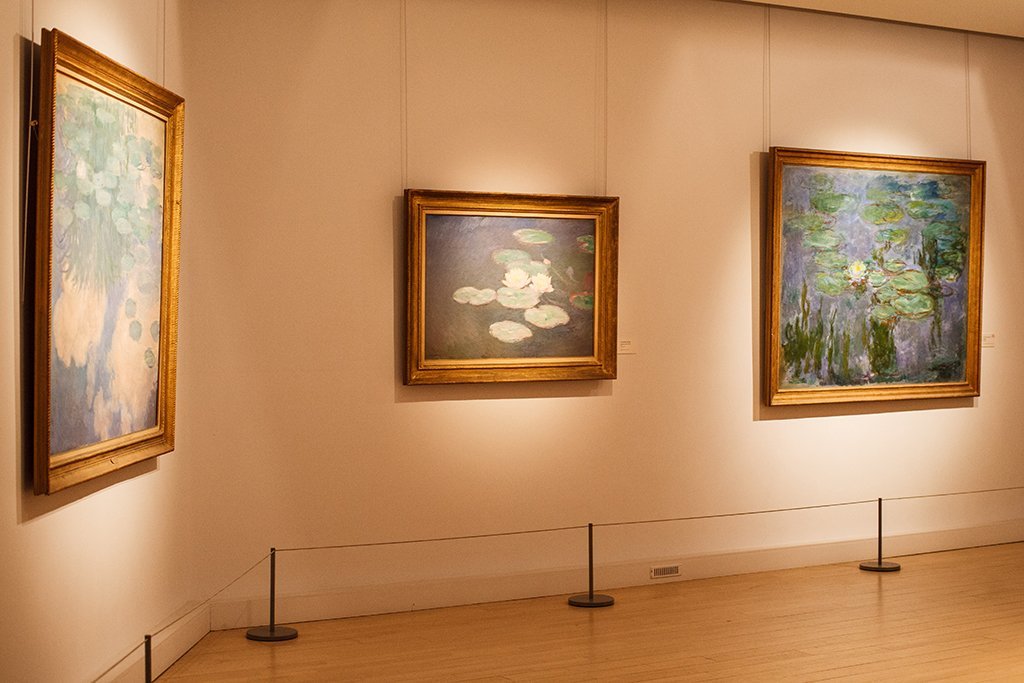
The Musée Marmottan Monet, just a short distance away, is a hidden gem for art lovers. It houses the world’s largest collection of works by Claude Monet, along with masterpieces from other Impressionist and Post-Impressionist artists. A quiet and elegant museum, it’s the perfect place to immerse yourself in Paris’s artistic heritage away from the crowds.
2 rue André Pascal, 75016 Paris
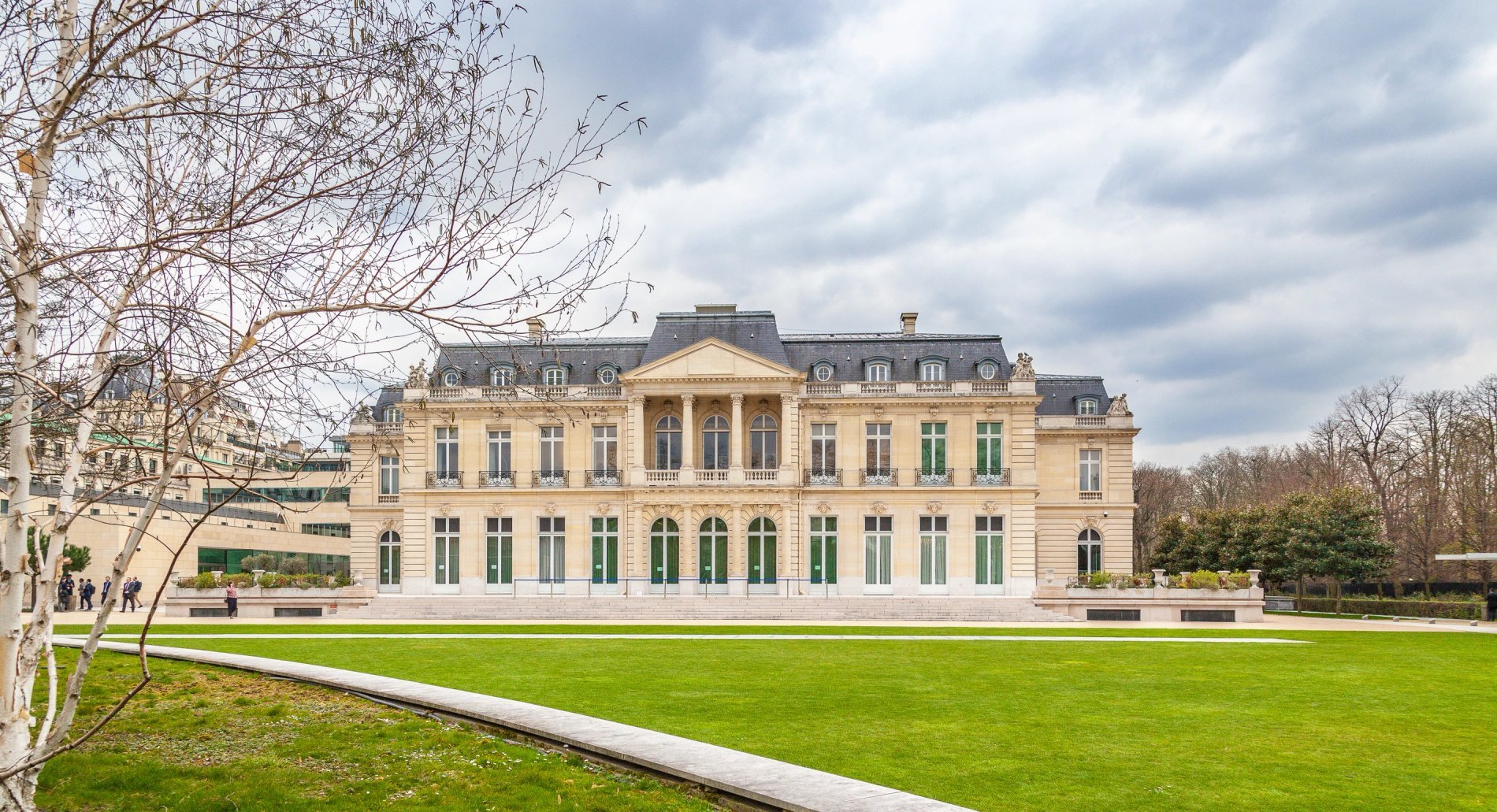
Château de la Muette, once a royal hunting lodge, has evolved over the centuries into an elegant residence. Now home to the OCDE, it cannot be visited inside, but its refined architecture and surrounding gardens bring a touch of history and character to the neighborhood.
8 avenue du Mahatma Gandhi, 75116 Paris
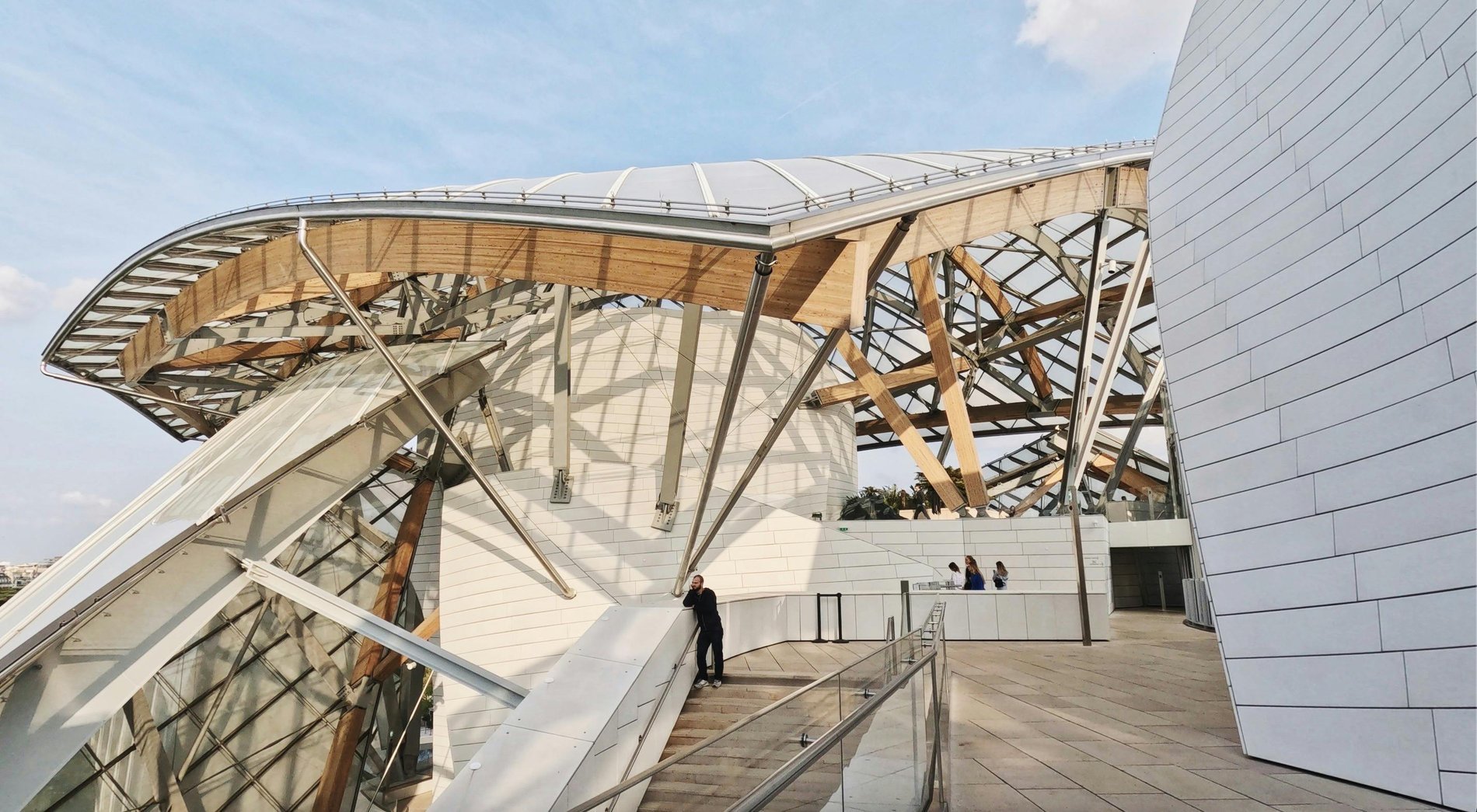
The Fondation Louis Vuitton, designed by architect Frank Gehry, is a masterpiece of contemporary architecture with its striking glass and steel structure. Inside, it hosts major exhibitions of modern and contemporary art, combining its permanent collection with world-class temporary shows. More than a museum, it offers a cultural and architectural experience that leaves a lasting impression.
2 avenue Gordon Bennett, 75016 Paris
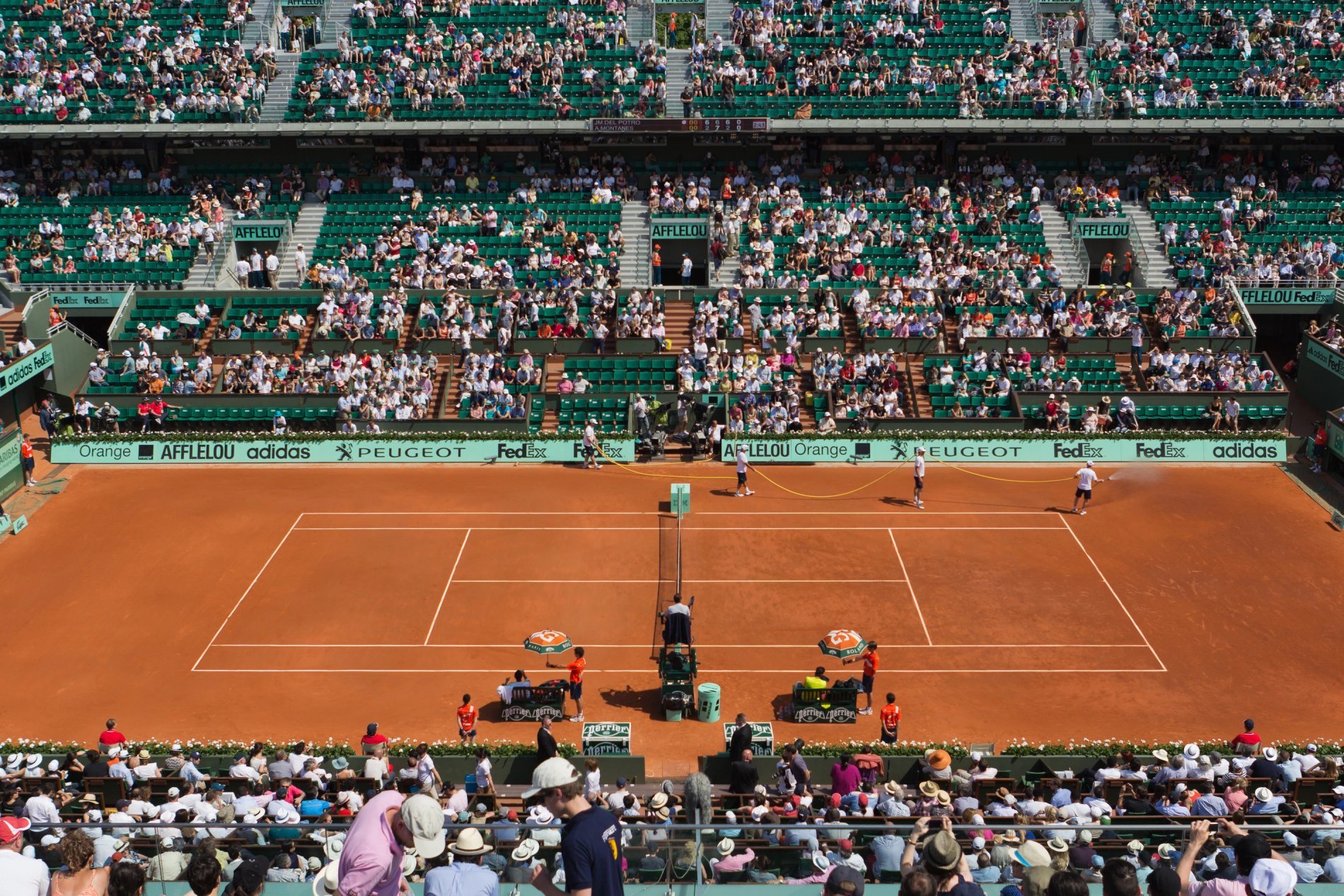
Roland-Garros is the legendary home of French tennis, best known for its Grand Slam tournament that brings together the world’s top players each year. Experiencing a match on its famous clay courts is a highlight for any sports enthusiast. Outside the tournament, the stadium and its museum can also be visited, offering a glimpse into the history of this iconic venue.
24 rue du Commandant Guilbaud, 75016 Paris
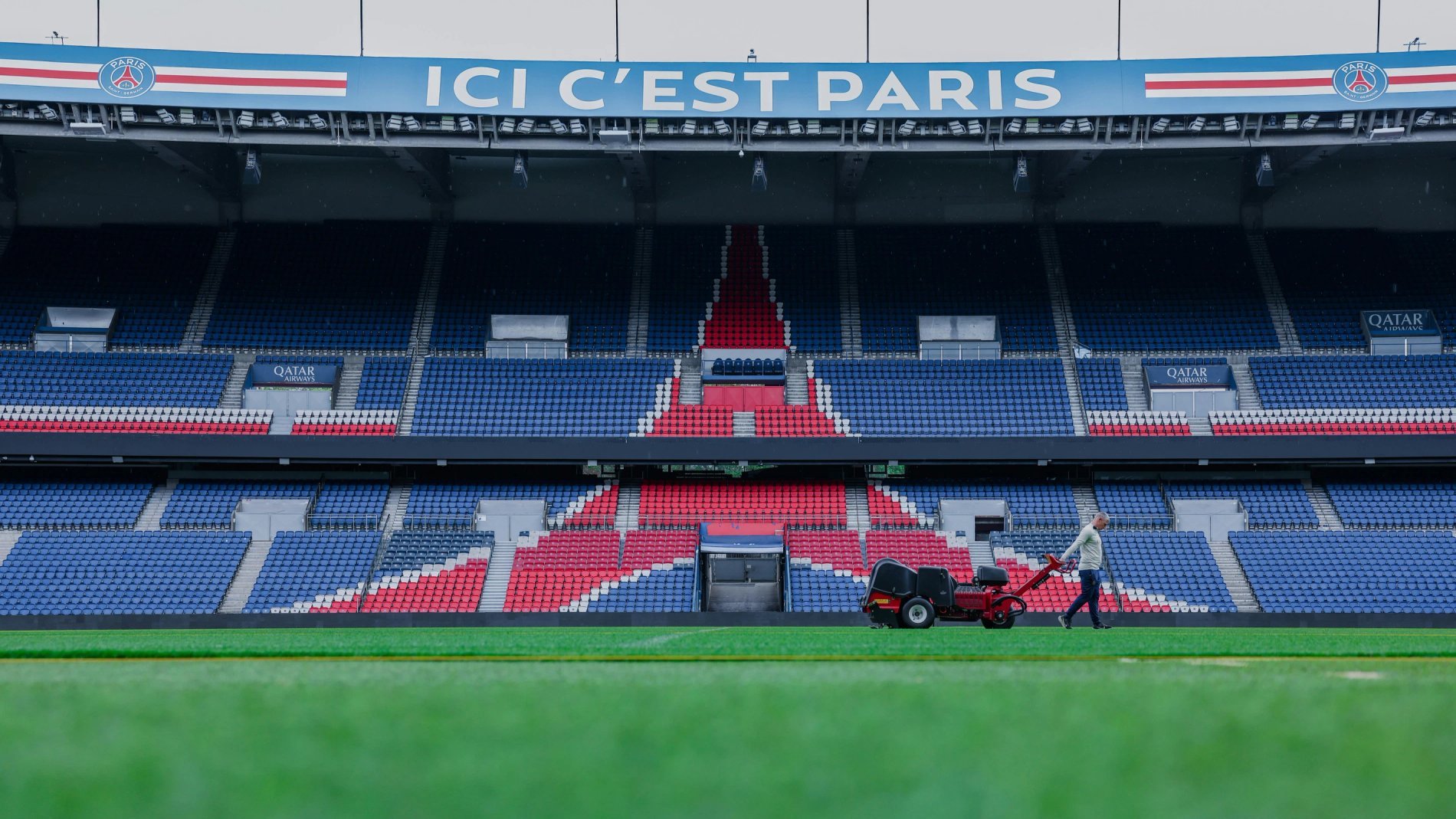
The Parc des Princes is home to Paris Saint-Germain, offering an unforgettable experience for football fans. The energy during a match is electric, with supporters from around the world creating a unique atmosphere. The stadium also hosts concerts and major events, making it a lively destination beyond football.
2 route d'Auteuil aux Lacs, 75016 Paris
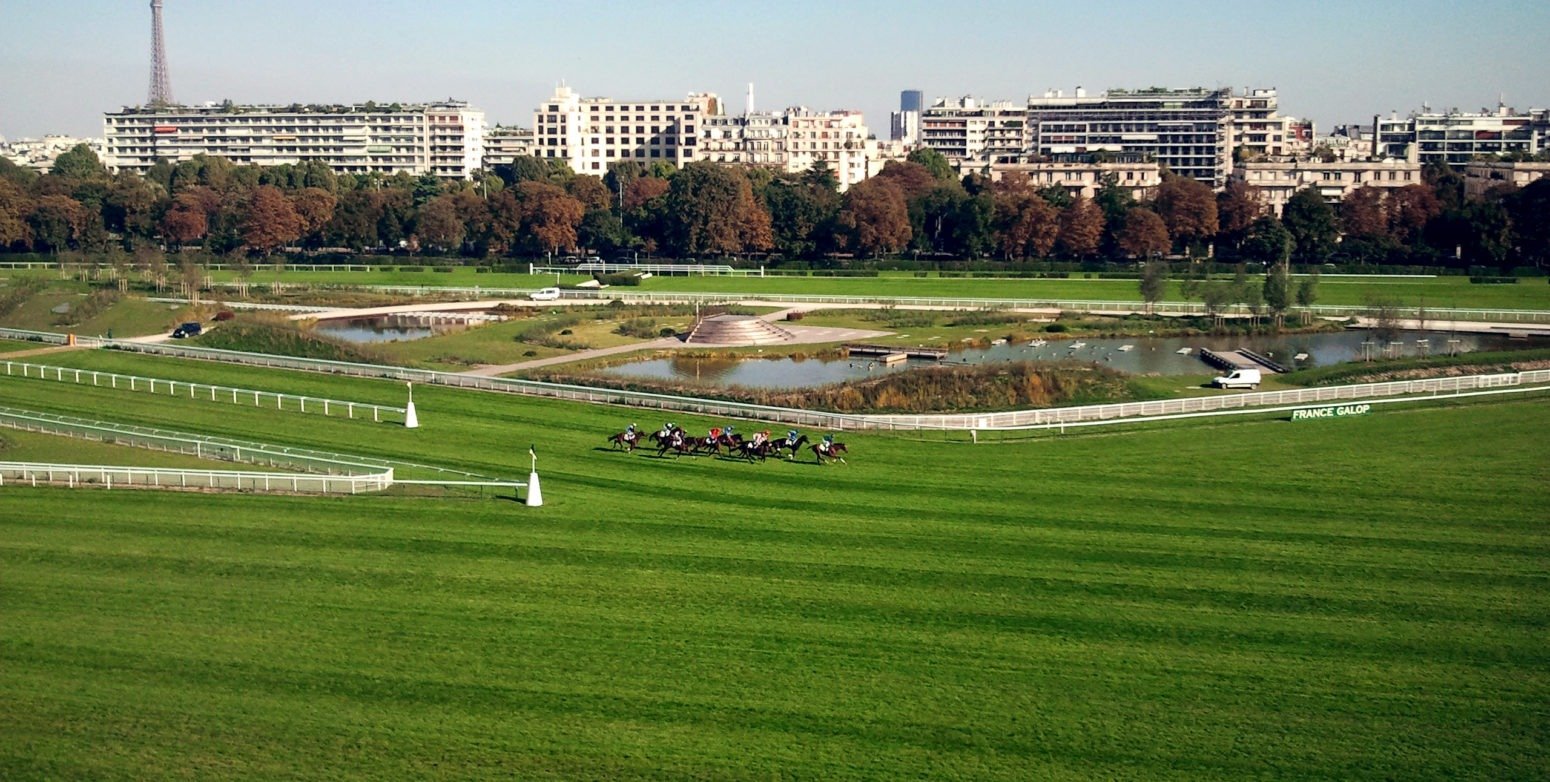
Created in 1873 on 33 hectares, the Auteuil racecourse is the mecca of obstacle racing in France, both hurdles and steeplechase. The 2,400-meter track features thirteen obstacles, including the formidable "railditch-and-fence," nicknamed the "justice of the peace" of Auteuil! The racecourse and its magnificent grandstand, designed by architect Walter Destailleur, continue to delight horse racing enthusiasts while attracting a wider audience, thanks in particular to numerous events organized by France Galop, such as "Sundays at the Gallop" for families and the electro music evenings held after the races on the Jockey Disque tracks!
19 rue Jean de la Fontaine, 75016 Paris
Want to learn how to taste wine in a friendly and fun atmosphere? Head to My Tasty Travel, a wine club located on Rue Jean de la Fontaine in Auteuil, offering introductory and discovery courses for beginners and connoisseurs led by WSET (Wine and Spirit Education Trust) instructors, an international wine diploma. The "The Nose of France" program, designed for beginners, includes 10 tasting workshops and the "PrepaWine" program, 10 monthly meetings for wine lovers who want to practice together or share their passion. Evenings are also organized around various themes, such as wine and cheese pairings.
Bois de Boulogne, 75016 Paris
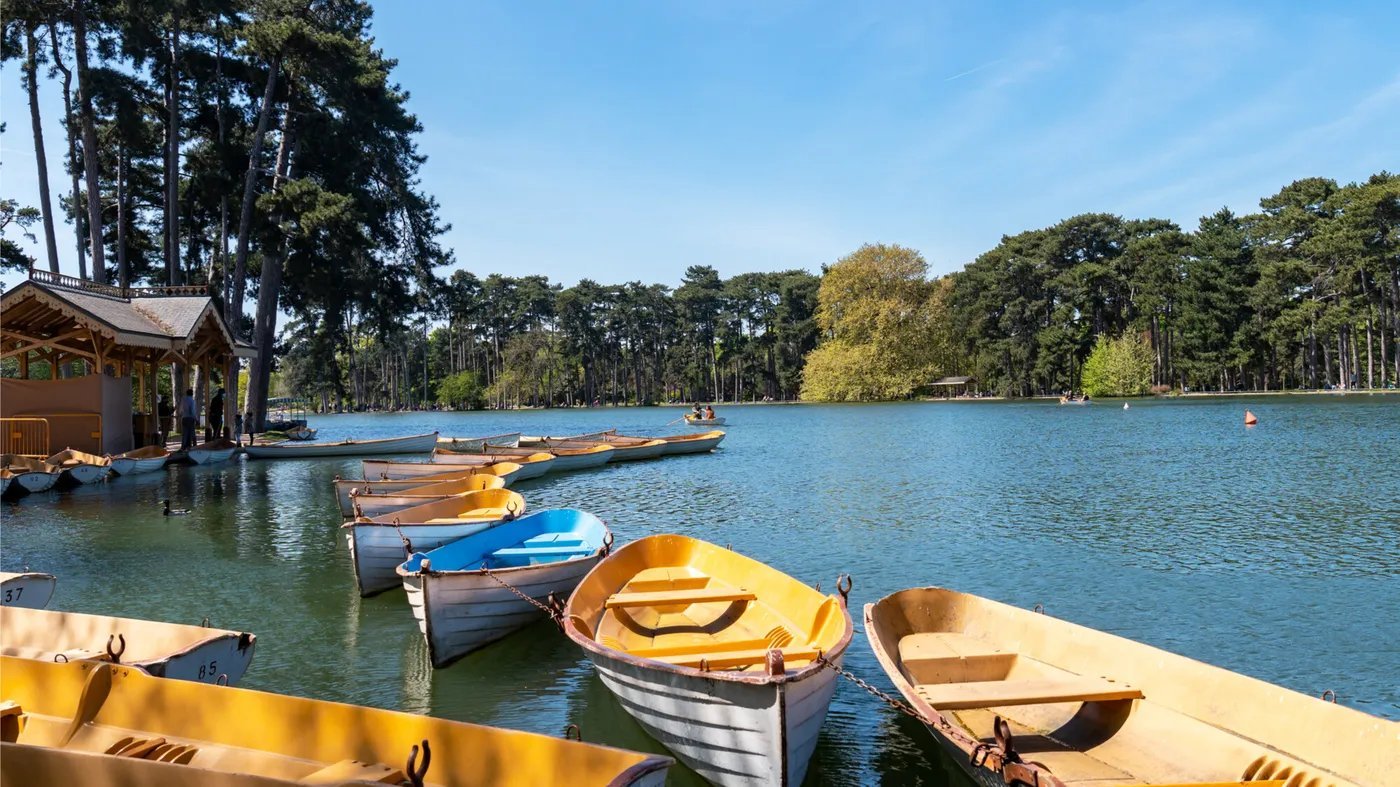
Even in Marcel Proust's time, a boat trip on the lower lake of the Bois de Boulogne was a must-do pastime. For generations, residents of the sixteenth arrondissement have gathered in front of the "Bois de Boulogne Boat Service" cabin, easily spotted with its dozens of moored boats. The barge is very popular in the afternoon, especially when the sun is shining. People come with their families or their sweethearts to tour the island in wooden canoes that look like they belong in another era (but are sturdy). This romantic outing can be risky for those who don't know how to row, or very rewarding for those who are confident with a paddle!
From place d'Iéna to bois de Boulogne
The walk begins at Place d'Iéna, which is home to five museums within a 1km radius: the Guimet Museum, the Palais de Tokyo, the Musée d'Art Moderne de Paris, the Palais Galliera, and the Yves Saint-Laurent Museum. A great way to organize a cultural day!
Take advantage of a visit to discover the neighborhood dotted with charming restaurants; it's also home to the jazz club Le Speakeazy.
A few meters away, you'll discover the pretty Jefferson Square, whose gates, inspired by those of New York's Battery Park, and the benches and lampposts straight from the United States lend an American feel. It's worth noting that many Americans have lived in the neighborhood, such as Edith Warton, and still do. Crossing the square, you'll arrive at the Baccarat Museum, which opens its gardens every summer for lunches, afternoon tea, and sunny after-work drinks. Take Rue Lapérouse to the legendary Hôtel Raphaël, which also opens its rooftop every summer. You can lounge there during the day, but the best part is dining on this terrace, which offers a magical view of Paris at nightfall.
Rue Lauriston is just a few steps away. This is where the Passy Reservoir is hidden, one of Paris's main water storage facilities, a peaceful haven with 13,000 square meters of open-air pools, which will soon feature an underwater wine cellar where you can dive and enjoy a drink in an underwater restaurant!
While waiting for the project to come to fruition (in 2021), head to Place Victor Hugo, a strategic roundabout leading to the Étoile, Rue de la Pompe, or Avenue Foch. You can head towards the latter via Avenue Bugeaud, from where you can see the magnificent Château-Hotel Le Saint-James. Sung about by Maurice Chevalier, Avenue Foch seems very quiet but boasts a very lively underground life, with bowling alleys, billiards, and nightclubs populated by students!
Other special features: its wide, unpaved bridleways, unique in Paris, which once allowed riders to reach the Bois de Boulogne on horseback, and at the edge of the Bois, the Porte Dauphine metro station, whose entrance hall by Hector Guimard, nicknamed "The Dragonfly," caused a scandal in 1900, with its glass canopy in the shape of wings, its cast iron structure resembling legs, its "Métropolitain" inscription in lava stone, and its pointed lights in the staircase, called "Joséphine's nipples." Today, people come from all over the world to admire this avant-garde work, which continues to make an impact!
From village d'Auteuil to Maison de la Radio
The walk begins at the Place de l'Eglise d'Auteuil, whose I-shaped bell tower rises 50 meters high. This rustic square opens onto the former "Grand rue" of the village of Auteuil, now Rue d'Auteuil.
At 30 rue d'Auteuil, discover the Servant confectionery and chocolate shop and its jars of old-fashioned sweets that have been delighting local children since 1913. At 40 rue d'Auteuil, discover the Auberge du Mouton Blanc, where Molière, La Fontaine, Boileau, and Racine, who lived nearby, once gathered.
A few meters away, on Place Jean Lorrain, where the market is held every Wednesday and Saturday, take Rue Jean de la Fontaine to discover the building where Marcel Proust grew up, at 65 rue Jean de La Fontaine; the magnificent Studio Building, built in 1927, one of the last constructions of architect Henri Sauvage, at number 65; then the six buildings designed by Hector Guimard that follow one another, between the Hôtel Mezzara and the Castel Béranger (14, 17, 19, and 21 rue Jean de La Fontaine, then 8 and 10 rue Agar as well as 43 rue Gros) with their plant decor and their airy bow windows...
A stop at Cravan is a must. This café & cocktail bar, also designed by Guimard, is listed as a Historic Monument and has retained its Art Nouveau frescoes, chipped mirrors, and period zinc bar. A magical place with a lovely terrace under the plane trees.
Retracing your steps, take Ribeira Street to admire the works of Jean-Marie Boussard, an extravagant architect whose caryatids, sheathed atlantes, and blue glazed bricks adorn many of the neighborhood's buildings. Among his works is a huge horse-drawn chariot on the frontispiece of 45 rue Ribeira.
At the Jasmin metro station, walk up rue Jasmin, where you can discover the sublime door of the former PTT office designed by Paul Guadet at 21 rue Jasmin, then walk up rue Raffet towards rue du Docteur Blanche.
This street is a veritable architectural book for strollers, with the Villa Roche and La Maison Jeanneret-Raaf built by Le Corbusier, which now houses the Le Corbisier Foundation; rue Mallet-Stevens, entirely designed in the late 1920s by the architect Mallet-Stevens (from the concrete villas painted with white plaster to the sidewalks and lampposts); and the superb black mosaic studio building by Pierre Patout.
Then walk down rue de l'Assomption, where James Joyce, Michel Audiard, and Georges Perec (author of Allées et venues) lived, to the Maison de la Radio. The cultural building, built in the 1960s, houses Radio France stations, recording studios, and concert halls. "The Round House" (its nickname) organizes weekly tours to discover its architectural and musical heritage.
Finally, don't leave the neighborhood without a detour to the Gare de l'avenue du Président-Kennedy - Maison de Radio-France, adorned with a 300m² fresco by street artist Max Tetar, whose bright colors brighten up the station.
From village de Passy to palais de Chaillot
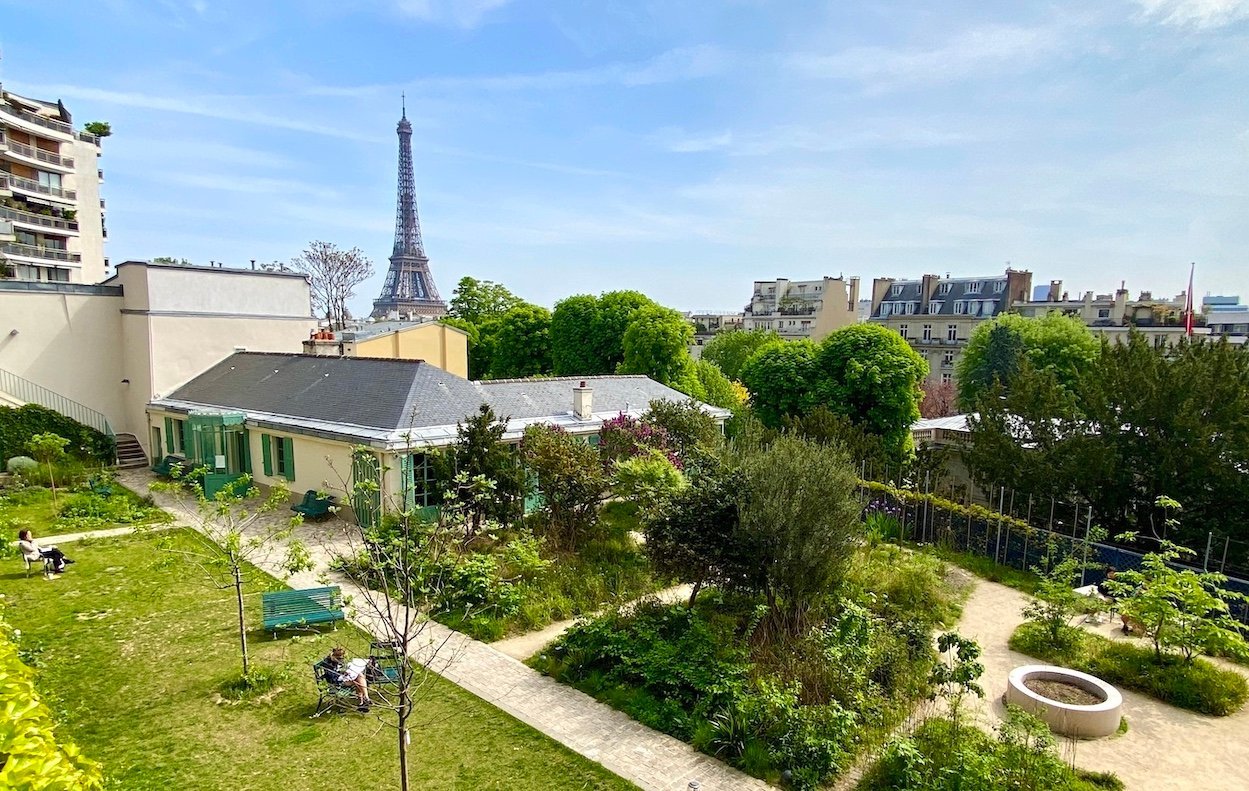
The walk begins in the heart of the old village of Passy, at the Maison de Balzac, the home where the author took refuge to write The Human Comedy. This vibrant space now houses a lively museum and a bucolic garden with a view of the Eiffel Tower. Further down, the picturesque Rue Berton, where Balzac fled to escape his creditors, is also worth seeing!
This leads you to Avenue Marcel Proust, a thoroughfare that clearly illustrates Passy's location, at the top of a hill, with the Parc de Passy below, and the hundreds of steps you have to climb to reach Rue Raynouard.
As in Montmartre, you climb up and down its cobbled streets, leading here to the Wine Museum (located on Rue des Eaux!), there to Square Alboni, a residential street lined with Art Deco buildings that has also housed the Nubar Library since 1928, the custodian of thousands of of works from the literary heritage of the Armenians of the Ottoman Empire.
The Passy metro station is worth a stop: built in 1903 on a sloping site, it has the distinction of being underground at its western end and above ground at the other, offering an extraordinary view of Paris, both inside and outside the trains.
Then take Rue de Passy, famous for its shops, making a short detour via Rue Eugène Manuel to admire the Les Chardons building and its Art Nouveau decor by Charles Klein, covered with ceramics by Emile Muller.
At the pretty Place Jean Bologne and Rue de l'Annonciation, you are in the heart of the old wine-growing village of Passy. This neighborhood, which has retained its old-world charm, can be explored as you stroll. Along the way, stop at the Passy Market with its colorful stalls, its oyster bar, and its counter. Breton.
A short walk away, take Rue Vital, Avenue Paul Doumer, then Rue Scheffer and Rue Vineuse, two streets that also embody the soul of Passy with their Art Nouveau and Art Deco buildings, their winemaking past, and their literary life. You arrive at Avenue de Camoëns, at the bottom or top of the stairs, where you'll find the pink marble monument dedicated to the Portuguese poet Luis Vaz de Camöens.
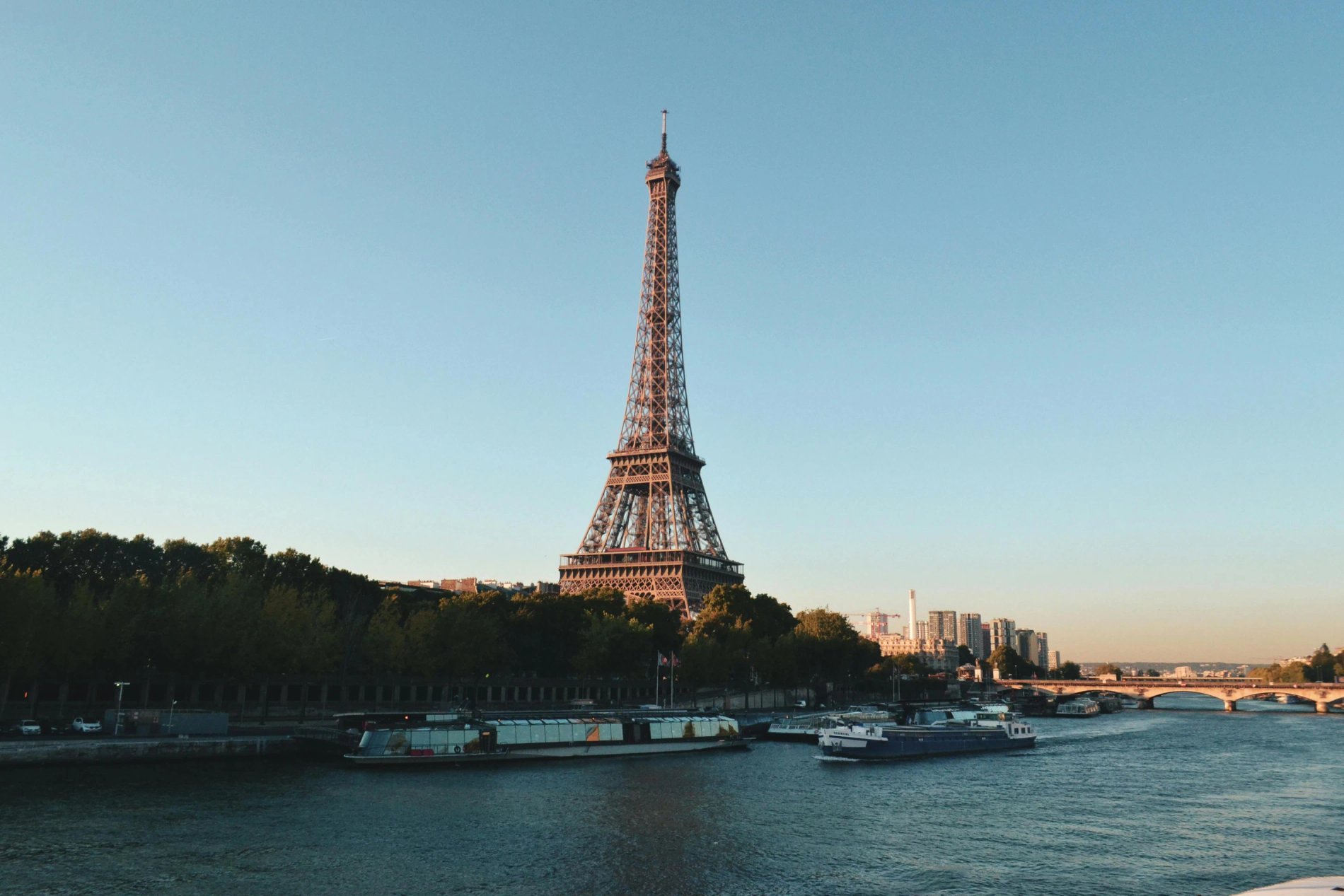
Continuing along Avenue des Etats-Unis, you'll discover another impressive monument dedicated to Admiral de Grasse, at the entrance to the Trocadéro Gardens. Nestled on 9 hectares between the Eiffel Tower and the Trocadéro Esplanade, these gardens are home to numerous sculptures from the 1930s. The more curious will look for the oldest plane tree in Paris (26 m tall) and the skylight of the 16th-century Hôtel de Ville, a remnant of the former facade of the Tuileries Palace, before reaching the Palais de Chaillot and its cultural institutions: the Cité de l’architecture and the Théâtre national de danse in the northeast wing (known as the Paris wing), the Musée national de la Marine and the Musée de l’Homme in the southwest wing (known as the Passy wing).
From Porte Molitor to the Muette district
The walk begins in front of the Lycée Jean de la Fontaine, located at 1 Place de la Porte Molitor. Admire this 1930s building designed by architect Charles Héraud with its magnificent clock.
As you head towards the Stade Jean Bouin, you'll see the setting of the "temple of rugby" designed by Rudy Ricciotti, whose delicate concrete curves and lacework are reminiscent of those of the Mucem in Marseille.
At 24 Rue Nungesser et Coli, Le Corbusier's apartment-studio is revealed. In this building with its entirely glass facade, the architect applied the concepts of his "free plan." A must-see manifesto for architecture enthusiasts, who will also discover a breathtaking 360° view of Rudy Ricciotti's work from the rooftop terrace.
A few steps away, the former Molitor swimming pool, transformed into a hotel, looms with its iconic yellow facade. Upon entering this Art Deco gem, you'll discover the famous pools and ultramarine blue cabins decorated by street artists.
Free guided tours are offered every Saturday to discover all the secrets of this legendary place.
Opposite the hotel is the Jardin des Serres d'Auteuil, with its historic blue-green cast iron greenhouses by Jean-Camille Formigé and its new Roland Garros tennis court, built under a modern glass roof surrounded by tropical greenhouses.
Further on, the Square des poètes is worth a visit: the verses of some forty poets are engraved on steles scattered along the paths.
Leaving the square, pass by the Auteuil racecourse and the beautiful Auteuil Brasserie, then head up Boulevard Beauséjour. At number 73, you'll discover the former home-studio of Breton sculptor René Quillivic, guarded by two statues (Woman from Ploaré and Woman from Audierne), and the Goncourt brothers' house at number 53, known as "the attic," which now houses the Writers' House.
Another option: take the "nature" path of the Petite Ceinture, a green alley that starts from Boulevard Beauséjour and leads to the
Ranelagh Garden. The Marmottan Museum, a Guignol theater, pony rides, a bandstand... this garden, which retains its old-world charm, is one of the most beautiful in Paris.
Pelouse de la Muette, 75016 Paris
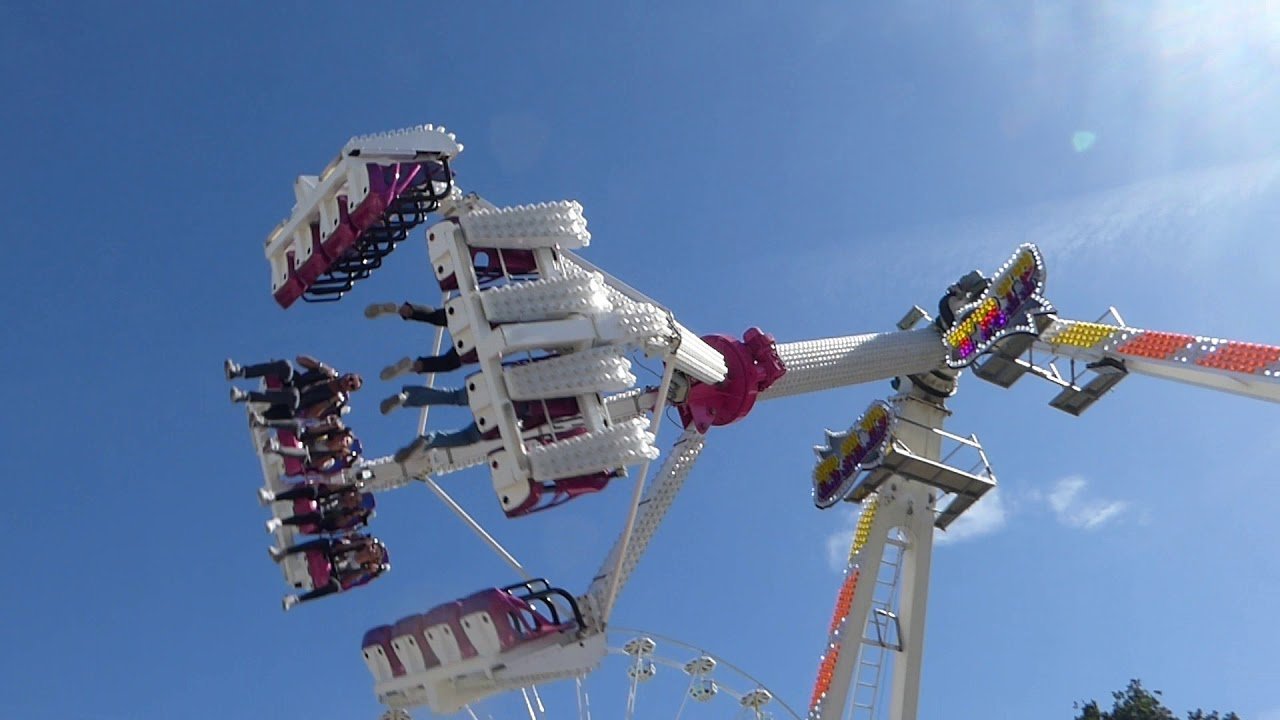
Created in 1815 by Napoleon, the funfair takes place every year in September for a month at the Porte de la Muette. For two centuries, this popular event, which has almost disappeared many times, has featured around a hundred attractions: rides, super-karting, roller coasters, duck fishing, fortune-telling, clown shows, and more. The festival is also punctuated by themed events: a wrestling gala, a car show, a wrestling gala, gypsy jazz concerts, and an American festival. An institution!
Carrefour des Cascades, 75016 Paris
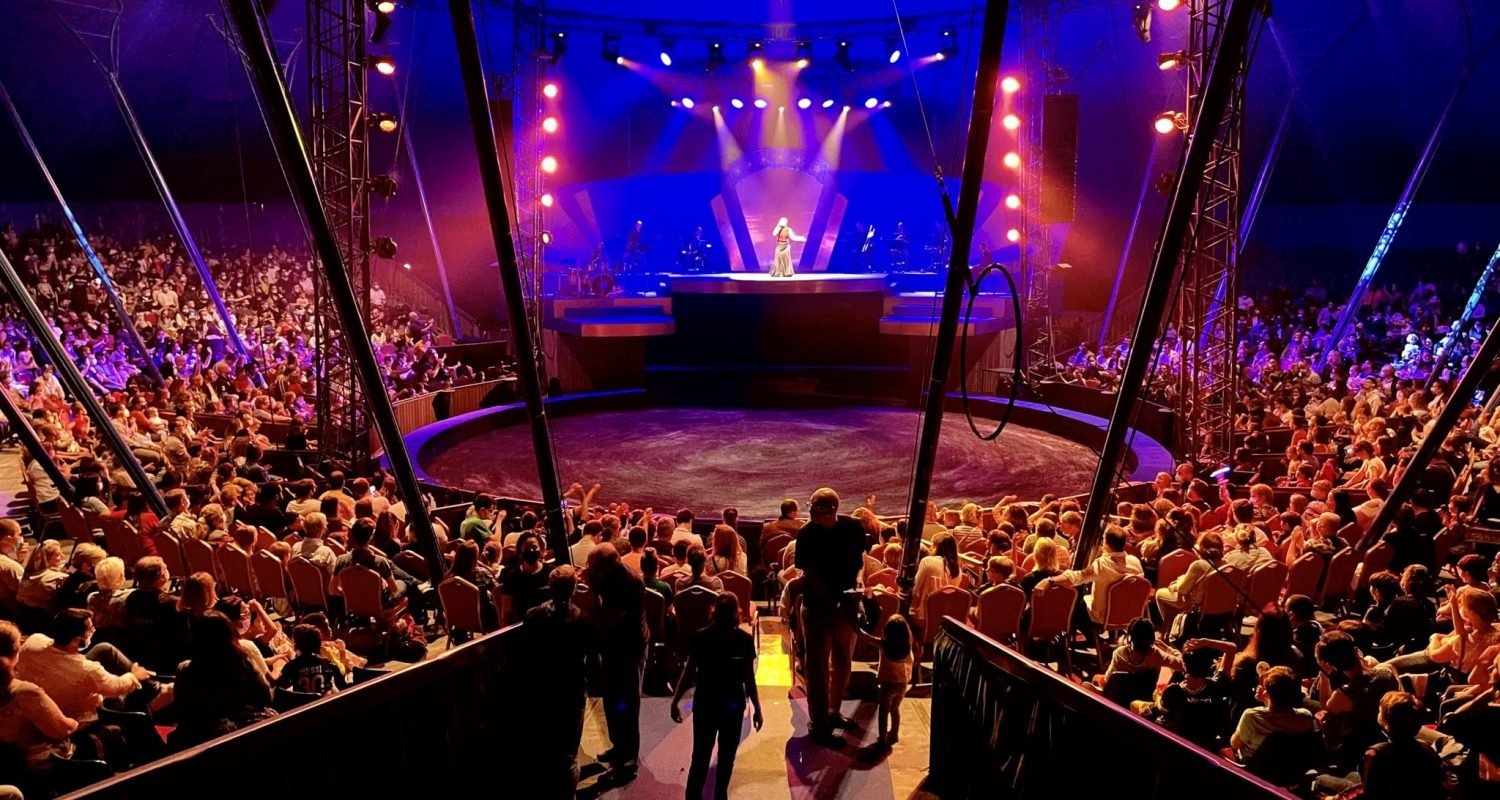
The Alexis Gruss Company is reviving the Folies, a concept popular during the Belle Époque. The modern version of the "Folies Gruss" combines an equestrian and acrobatic show with pre- and post-performance entertainment under the big top set up in the heart of the Bois de Boulogne. The show features eleven Gruss performers and a singer who perform a twirling show with acrobatics, jugglers standing on horses, and music. As for entertainment, a meal is offered around a table d'hôtes. A convivial moment, enhanced by a kids' area where children learn to clown and perform acrobatics alongside the troupe's artists.